

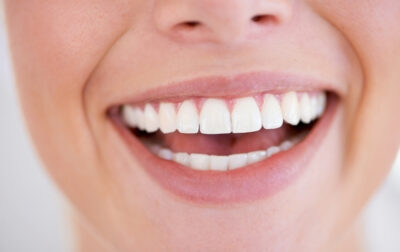
The moment arrives with surprising emotion. After months—perhaps years—of orthodontic treatment, your braces are finally removed. You run your tongue across smooth, beautifully aligned teeth. You smile at yourself in the mirror, genuinely smile, without the self-consciousness that shadowed you for so long. The journey is complete. Or is it? Here’s the uncomfortable truth that many patients discover too late: orthodontic treatment doesn’t end when braces come off. In fact, what happens in the weeks and months following debonding is arguably as crucial as the treatment itself. Without proper retention and lifelong maintenance, those perfectly aligned teeth have a biological tendency to drift back towards their original positions—undoing months of careful work and significant investment. At Park Lane Orthodontics in Reading, retention isn’t an afterthought; it’s an integral phase of care guided by the clinic’s philosophy of long-term facial aesthetics. Sonja Hills, the clinic’s experienced Orthodontic Therapist who has grown from a dental nurse in 2011 to a qualified therapist in 2015, plays a vital role in this often-overlooked but essential stage of your orthodontic journey. Here’s everything you need to know about retainers after braces in Reading, why they matter, and how to protect your smile for decades to come.
The Forgotten Phase: Why Retention Matters as Much as Treatment
There’s a common misconception that once teeth are straightened, they’ll simply stay that way. It feels intuitive—after all, if orthodontic forces moved teeth into alignment, surely they’ll remain there once those forces are removed? Unfortunately, biology doesn’t work that way.
Your teeth are held in your jawbone not by rigid ankylosis but by the periodontal ligament—a hammock-like structure of fibres that allows teeth to move slightly with pressure. This ingenious design allows orthodontic treatment to work, but it also means teeth retain a biological “memory” of their original positions. Even after months in perfect alignment, the stretched periodontal fibres want to contract back to their original length, pulling teeth with them.
Additionally, the bone surrounding your teeth undergoes continuous remodelling—breaking down on one side where pressure was applied during treatment, and building up on the other side. This remodelling process continues for months after active treatment ends. Without retention to hold teeth stable during this critical period, even beautifully executed orthodontic treatment can relapse significantly.
This is why retention is not optional, nor is it a brief afterthought. It’s a commitment to preserving your investment, and at Park Lane Orthodontics, it’s approached with the same thoroughness and patient education that defines every stage of care.
What Are Retainers and Why Are They Essential?
Retainers are orthodontic appliances designed to hold teeth in their corrected positions whilst the surrounding bone stabilises and periodontal fibres reorganise. Think of them as the scaffolding that remains in place whilst the building settles—remove the support too soon, and the structure shifts.
The biological realities driving retention include:
- Periodontal ligament memory: The fibres take 9-12 months to fully reorganise around teeth in their new positions
- Bone remodelling timeline: The jawbone continues restructuring for 6-12 months post-treatment
- Jaw growth in young patients: Teenagers’ jaws are still developing, creating shifting forces on teeth
- Age-related changes: Even in adults, teeth naturally drift throughout life due to age-related jaw changes, wisdom tooth pressure, or tongue/lip forces
- Occlusal forces: The daily forces of chewing, clenching, or grinding can gradually shift teeth if they’re not stabilised
Without retention, studies show that up to 70% of patients experience some degree of relapse within the first year after treatment. This isn’t a failure of orthodontic treatment; it’s simply biology asserting itself. Retainers counteract these natural tendencies, protecting the smile you’ve worked hard to achieve.
Types of Retainers Offered at Park Lane Orthodontics
At Park Lane Orthodontics, the retention strategy is personalised based on your specific case, lifestyle, and risk factors for relapse. Sonja Hills works closely with the orthodontic team to ensure each patient understands their retention protocol and why it’s been chosen for them.
Fixed (Bonded) Retainers:
These are thin wires bonded to the back surface of your front teeth—typically the lower six front teeth and sometimes the upper front teeth as well. The advantages include:
- Permanent retention: You can’t forget to wear them or lose them
- Invisible: Completely hidden behind your teeth
- Minimal lifestyle impact: No removal for eating, speaking, or social situations
- Maximum stability: Ideal for cases with high relapse risk, such as severe initial crowding or rotations
The trade-off is the need for meticulous oral hygiene—food can trap around the wire, requiring careful flossing with threaders or interdental brushes. Sonja provides comprehensive training on cleaning techniques during retention appointments, ensuring patients feel confident maintaining excellent oral health with fixed retainers in place.
Removable Retainers:
These clear, moulded retainers (similar in appearance to Invisalign aligners) or traditional wire retainers fit over your teeth and are worn according to a prescribed schedule. Benefits include:
- Easier oral hygiene: Remove to brush and floss normally
- Flexibility: Can be removed for important events, photos, or meals
- Full-arch stabilisation: Unlike fixed retainers that only cover front teeth, removable retainers hold all teeth in position
The challenge is compliance—you must remember to wear them consistently. Many patients start with nightly wear, gradually reducing to several nights per week long-term. Sonja’s role becomes crucial here; her patient education and follow-up appointments help establish sustainable retention habits that last for years.
Combination Approach:
Many patients at Park Lane receive both fixed retainers (for the front teeth, which are most visible and most prone to relapse) and removable retainers (for overall stability). This belt-and-braces approach offers maximum protection for your investment whilst balancing convenience and effectiveness.
The Retention Timeline: What to Expect in Reading
Understanding the retention timeline helps set realistic expectations and explains why lifelong commitment matters:
Months 0-6 (Critical Stabilisation Period):
Immediately after debonding, your teeth are at their highest risk of movement. During this phase:
- Removable retainers are typically worn full-time (22 hours daily, just like aligners during active treatment)
- Bone is actively remodelling around teeth in their new positions
- Periodontal fibres are reorganising
- Sonja monitors closely with appointments every 6-8 weeks to check retainer fit and tooth stability
This is not the time to become lax. Missing even a few days of retainer wear can allow noticeable tooth movement during this vulnerable period.
Months 6-24 (Transition to Night-time Wear):
As bone stabilises and tissues adapt, most patients transition to night-time only wear of removable retainers. Fixed retainers remain in place continuously. During this phase:
- Monthly or bi-monthly check-ups with Sonja ensure retainers fit properly and teeth remain stable
- Patients adapt to the routine of nightly wear, making it a habitual part of their bedtime ritual
- Any minor tooth movements are caught early before they become problematic
Sonja’s progression from dental nurse to qualified Orthodontic Therapist means she brings both clinical skill and genuine empathy to these appointments. She’s seen firsthand the devastation patients feel when they neglect retention and watch their teeth shift—so her education approach is thorough but never judgmental.
Years 2+ (Lifelong Maintenance):
Here’s where retention guidance has evolved significantly in recent years. The old orthodontic wisdom suggested retention could eventually be discontinued after a few years. Modern evidence tells a different story: teeth continue to shift throughout life, even in people who never had braces.
Park Lane Orthodontics’ philosophy of long-term facial aesthetics embraces this reality honestly. The team recommends:
- Fixed retainers remain in place indefinitely (many patients keep them for decades)
- Removable retainers transition to 3-4 nights per week long-term, or as often as needed to maintain fit
- Annual or bi-annual retention check-ups to assess stability and replace worn retainers
This might sound daunting—a lifetime commitment? But consider the alternative: watching your smile gradually drift back towards its original state, potentially requiring retreatment years later. The minimal effort of wearing a retainer a few nights weekly is a small price for preserving the smile you invested so much time and resources to achieve.
Sonja’s Role: Education, Monitoring, and Continuity of Care
Sonja Hills embodies Park Lane Orthodontics’ commitment to comprehensive, lifelong patient care. Her journey from dental nurse in 2011 to qualified Orthodontic Therapist demonstrates the clinic’s dedication to internal development and building a team with deep institutional knowledge.
During the retention phase, Sonja’s responsibilities include:
- Fitting and adjusting retainers: Ensuring perfect fit and comfort from day one
- Patient education: Teaching proper insertion, removal, cleaning, and storage techniques
- Monitoring tooth stability: Regular check-ups to catch any early signs of relapse
- Retainer replacement: Over time, retainers wear out or become loose; Sonja ensures replacements are fabricated before problems arise
- Troubleshooting: Addressing broken fixed retainers, lost removable retainers, or fit issues promptly
Common Retention Mistakes and How to Avoid Them
Despite clear instructions, certain retention pitfalls occur frequently. Understanding these mistakes helps you avoid them:
Mistake 1: “I’ll just skip a few nights; my teeth feel fine.”
Teeth move gradually, often imperceptibly at first. By the time you notice tightness when reinserting your retainer, movement has already occurred. Consistency is key—even years post-treatment, maintain your prescribed retention schedule.
Mistake 2: Storing retainers improperly (wrapped in napkins, left on surfaces).
Lost or broken retainers are retention’s biggest enemy. Always use a protective case, and keep a spare retainer as backup. Park Lane provides proper storage cases, and Sonja reinforces these habits at every appointment.
Mistake 3: Neglecting fixed retainer hygiene.
Plaque accumulation around bonded retainers can cause decay or gum inflammation. Invest in quality floss threaders or a water flosser, and maintain excellent oral hygiene. Sonja provides hands-on training to ensure you’re confident with cleaning techniques.
Mistake 4: Ignoring retainer fit changes.
If your retainer suddenly feels tight or painful, don’t force it—teeth have likely shifted. Contact Park Lane immediately. Early intervention can often re-stabilise teeth with temporary full-time retainer wear, avoiding the need for retreatment.
Mistake 5: Discontinuing retention because “it’s been long enough.”
Unless explicitly advised by your orthodontist, retention is lifelong. The minimal effort of several nights weekly wearing a retainer protects years of investment.
Park Lane’s Philosophy: Caring for Your Smile for Decades, Not Just Months
What truly distinguishes Park Lane Orthodontics’ approach to retention is the broader philosophy that guides every stage of care. The clinic’s tagline—“Discover More Than A Smile”—reflects an understanding that orthodontic treatment creates far more than straight teeth. It unlocks confidence, transforms how you interact with the world, and enhances quality of life in ways both tangible and subtle.
This philosophy extends seamlessly to retention. Mr Ben Buffham and Dr Paula Buffham don’t view treatment as “finished” when braces come off; they view it as transitioning to a maintenance phase that preserves your results for life. Their focus on long-term facial aesthetics—considering how tooth position affects facial structure, ageing, and oral health over decades—means retention protocols are designed for sustainability, not short-term compliance.
Sonja’s growth within the practice—from nurse to therapist over more than a decade—exemplifies this long-term thinking. Park Lane invests in its team members, fostering loyalty, continuity, and deep expertise. When you see Sonja for retention check-ups, you’re not seeing a different practitioner each time; you’re seeing someone who knows your case, understands your challenges, and is genuinely invested in your long-term success.
Protecting Your Investment: The Cost of Neglecting Retention
Consider the investment you’ve made in orthodontic treatment—financially, certainly, but also in time, temporary discomfort, and lifestyle adjustments. Now consider that consistent retainer wear, costing minimal time and effort, protects that entire investment. The alternative—watching your teeth gradually shift back and potentially requiring retreatment years later—is both heartbreaking and entirely preventable.
Orthodontic aftercare in Reading isn’t about rigid rules designed to make your life difficult; it’s about biological reality and protecting what you’ve achieved. The Park Lane team, led by retention specialists like Sonja, provides the education, support, and monitoring to make lifelong retention feel manageable rather than burdensome.Protect your investment in your smile. Book a retention review with the Park Lane Orthodontics team in Reading—call 0118 941 1628 or visit www.parklaneorthodontics.co.uk. Whether you’re approaching the end of active treatment or years post-braces wondering about retainer replacement, Sonja and the team are here to ensure your beautiful smile lasts a lifetime.